
If you are ready to get started in vibration analysis and condition monitoring, this course is for you.
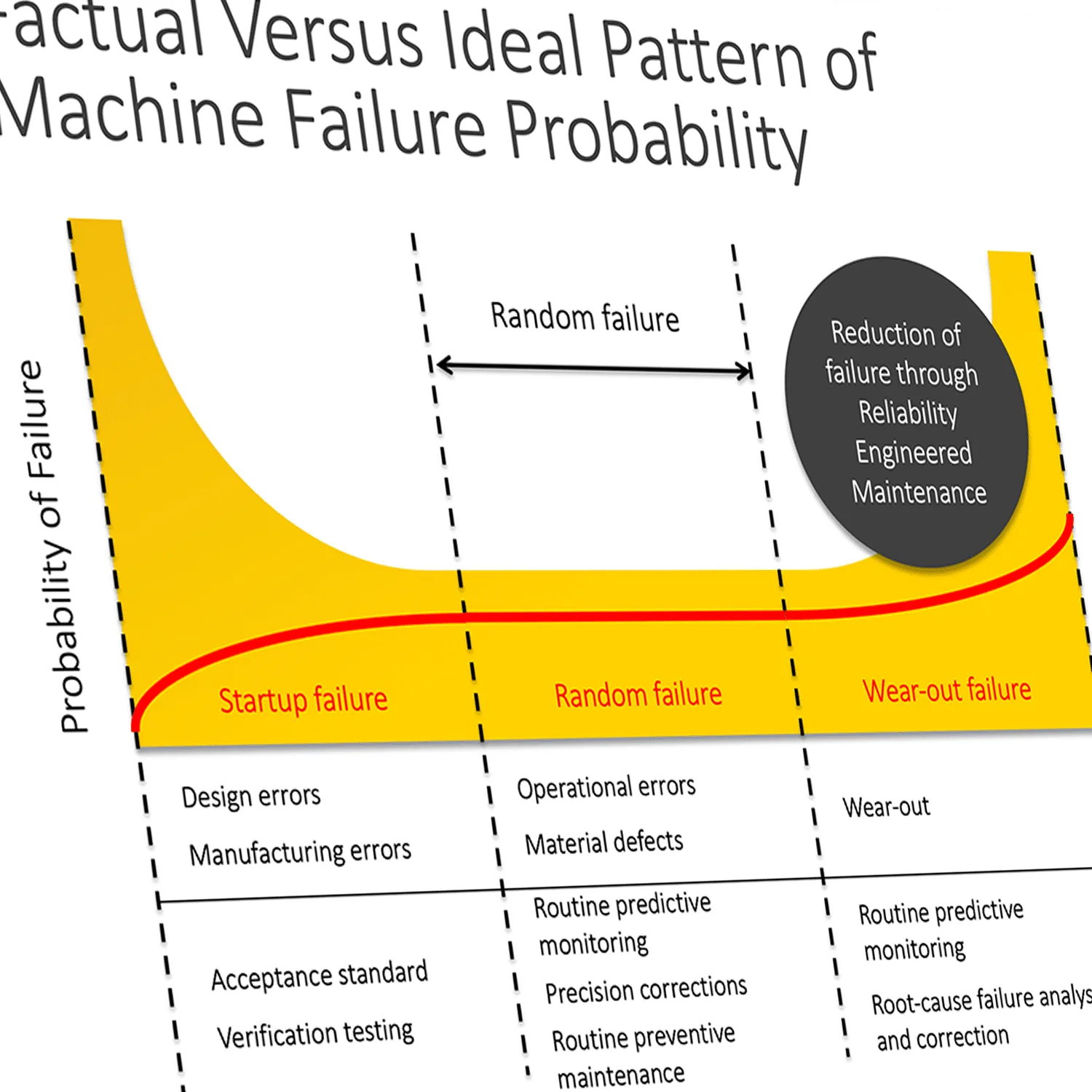
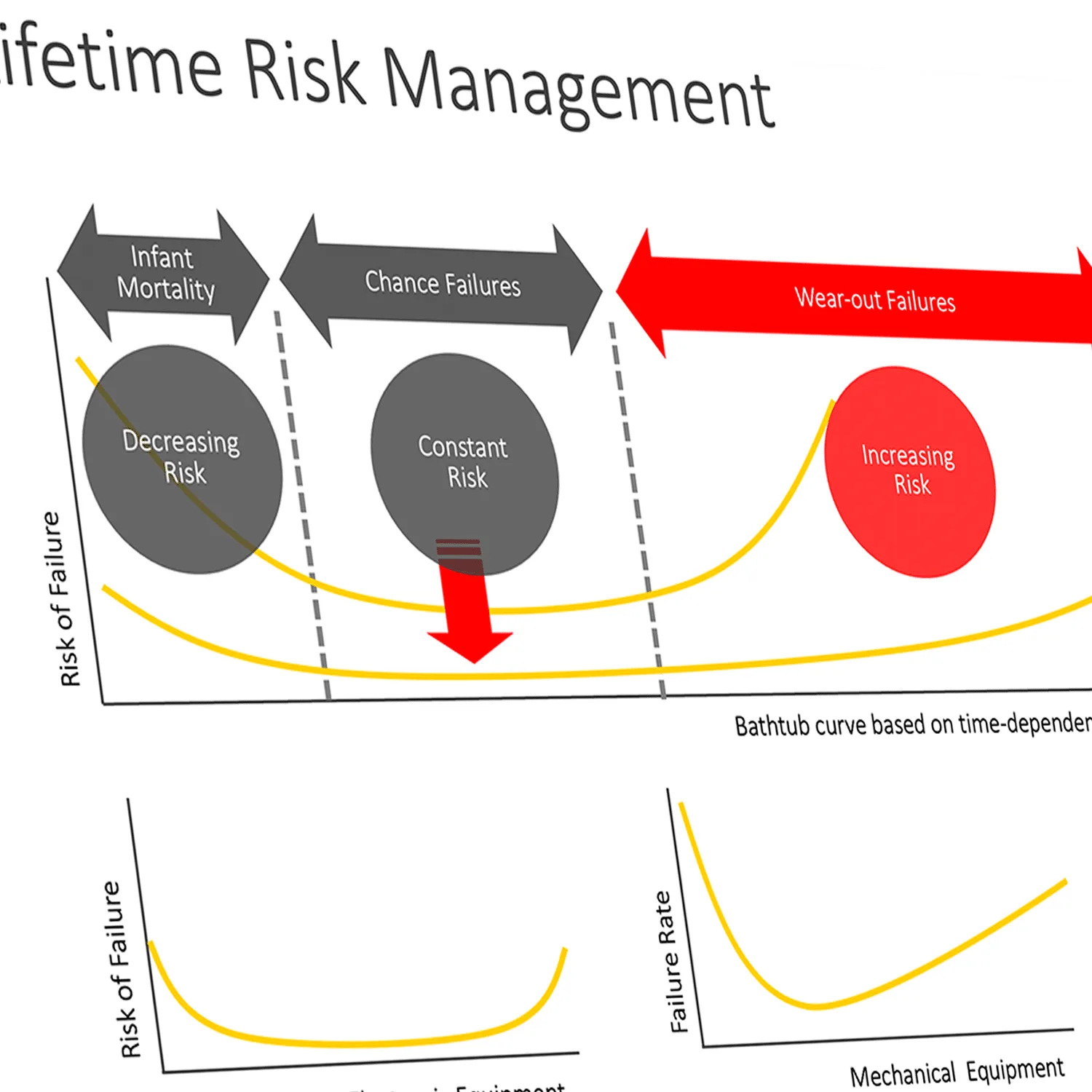
You will come away with a solid understanding of why we monitor the condition of rotating machinery (and other critical assets), the importance of improved reliability, and how vibration can be successfully measured and analyzed to provide an early warning of a wide range of fault conditions.
You will come away from the course with a solid understanding of:
Through this Certification Course, participants have the opportunity to accrue 5 Continuing Professional Development (CPD) points.
Acoustic emission (ultrasound):
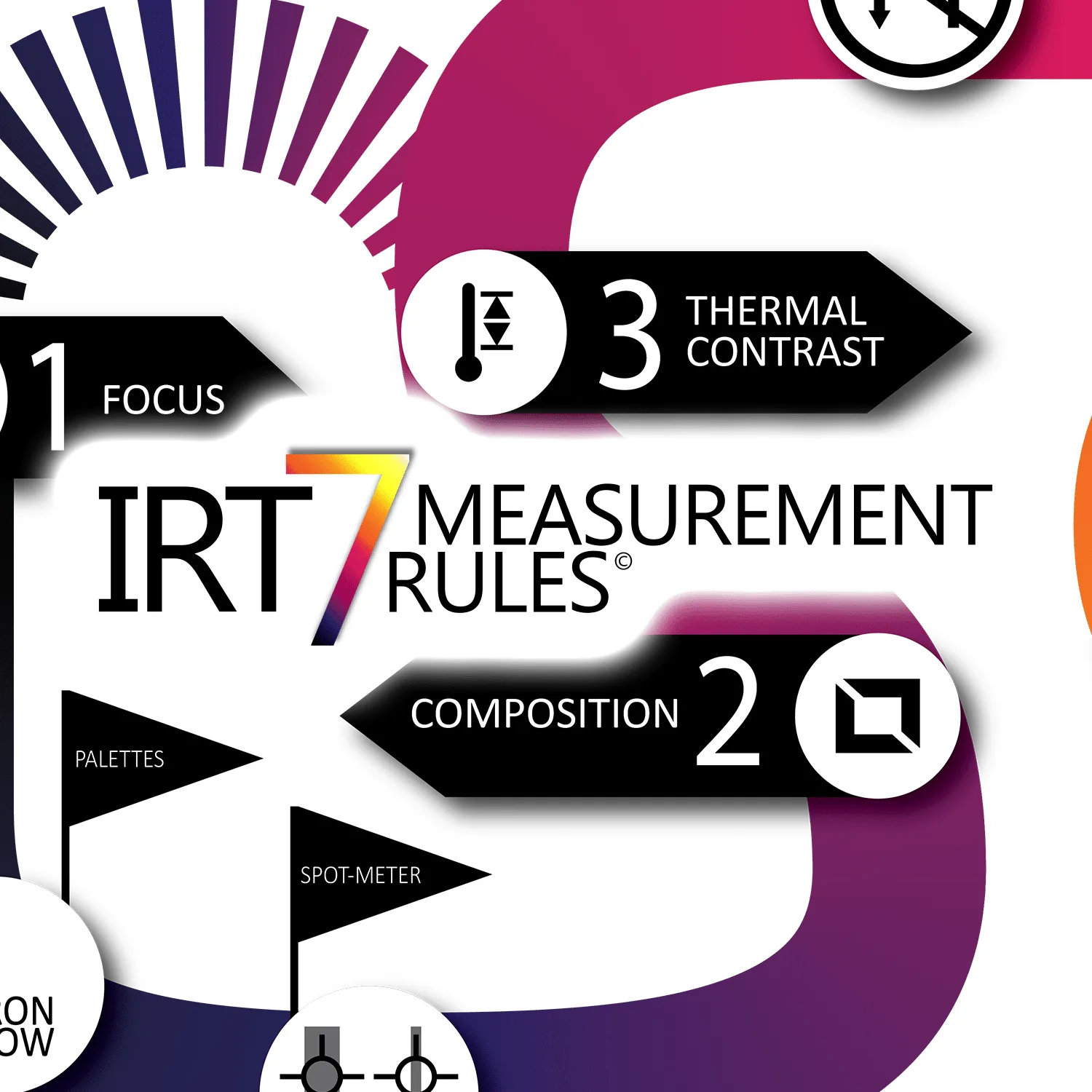
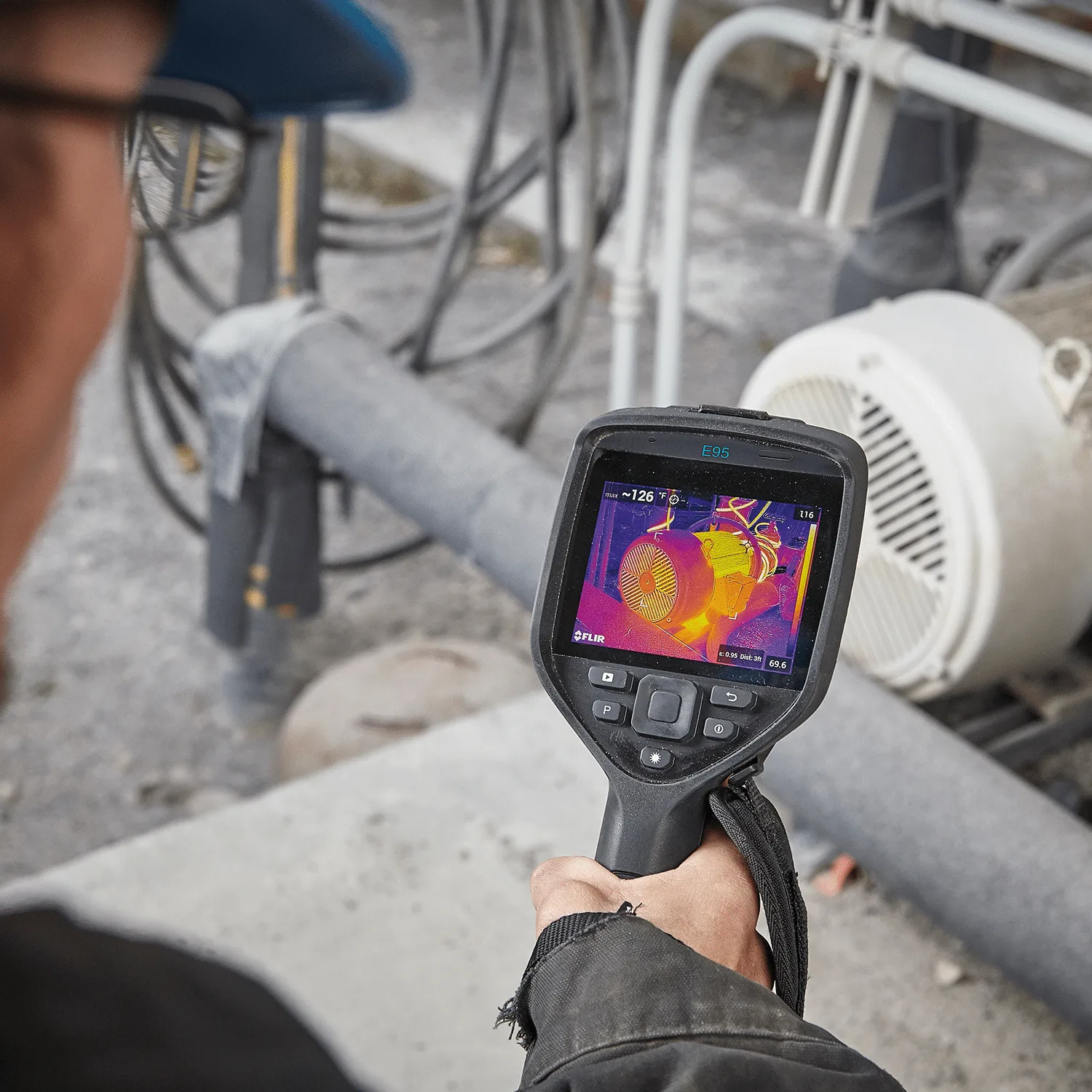
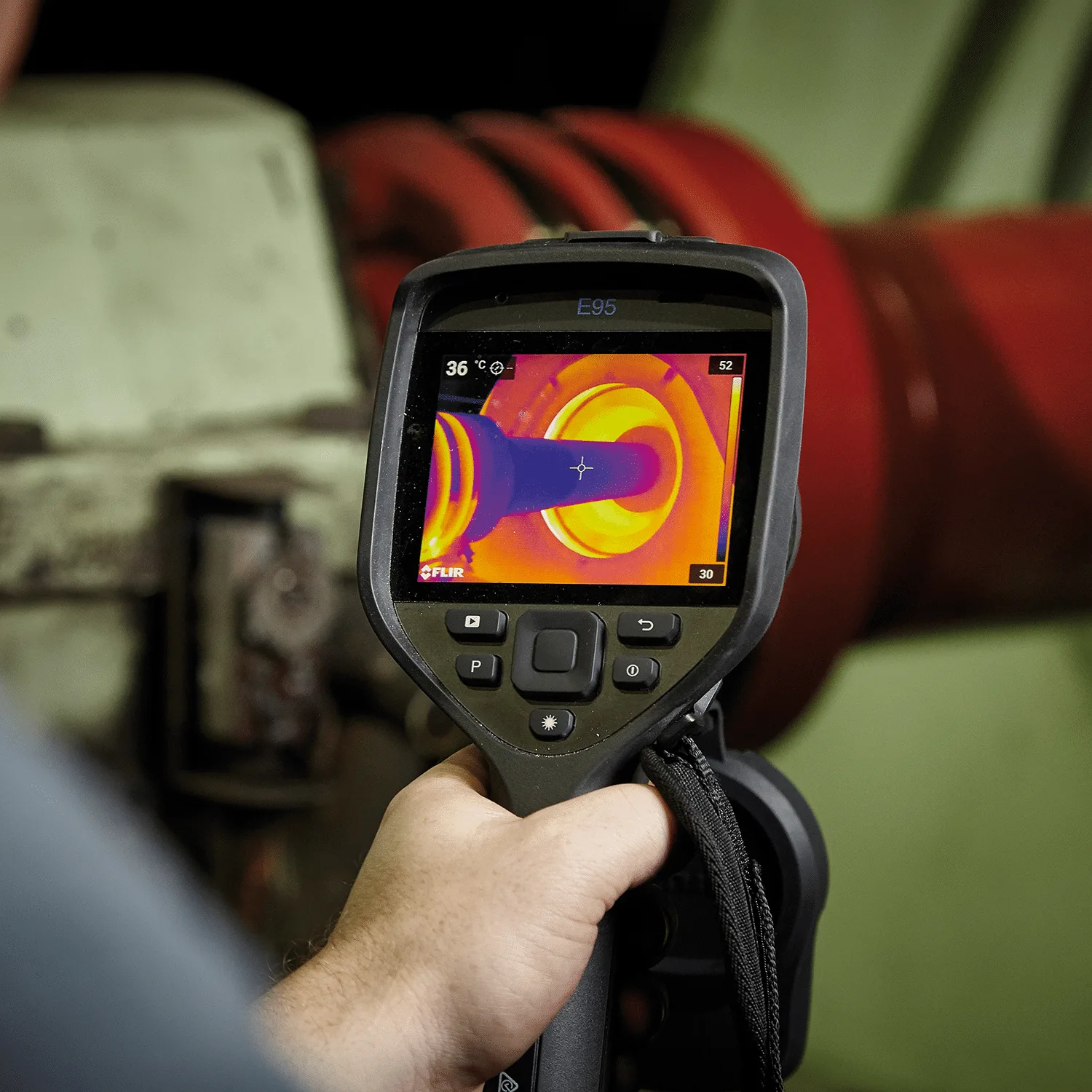
Thermography
Oil analysis
Wear particle analysis:
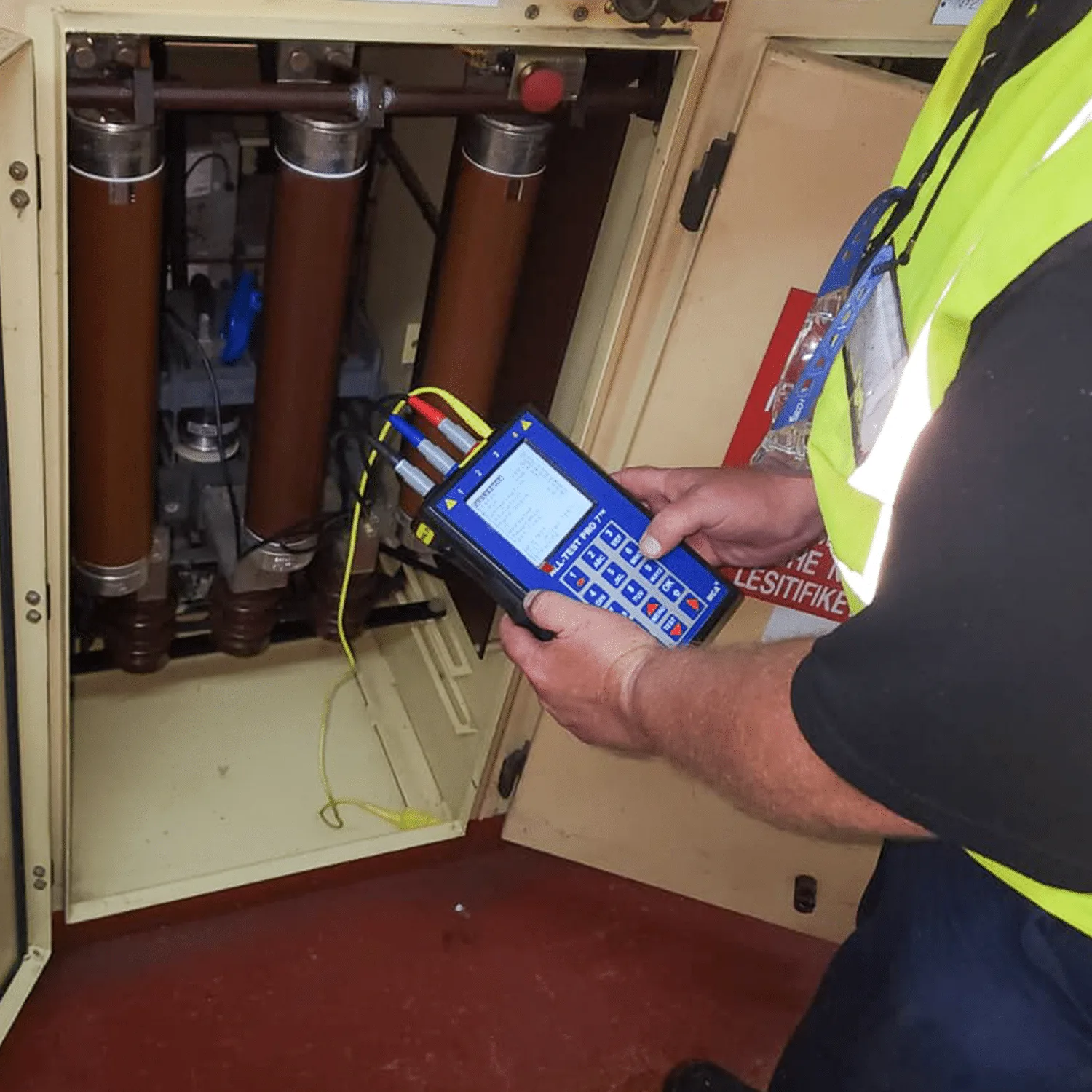
Motor testing
Vibration analysis
Introduction to vibration measurement
An introduction to the time waveform
An introduction to the spectrum
An introduction to forcing frequencies
Explaining the different vibration units
A brief introduction to phase
How do we measure vibration?
Where to place the sensor on the machine
Understanding axial, radial, vertical, and horizontal readings
A quick introduction to mounting the accelerometer and surface preparation
Naming conventions
What are “routes” and how do you create them?
The spectrum analysis process
What is resonance – a quick introduction
Diagnosing common fault conditions
The ISO standard for setting alarms
Band alarms
Envelope alarms
A quick tour of your analyzer
Spectral averaging
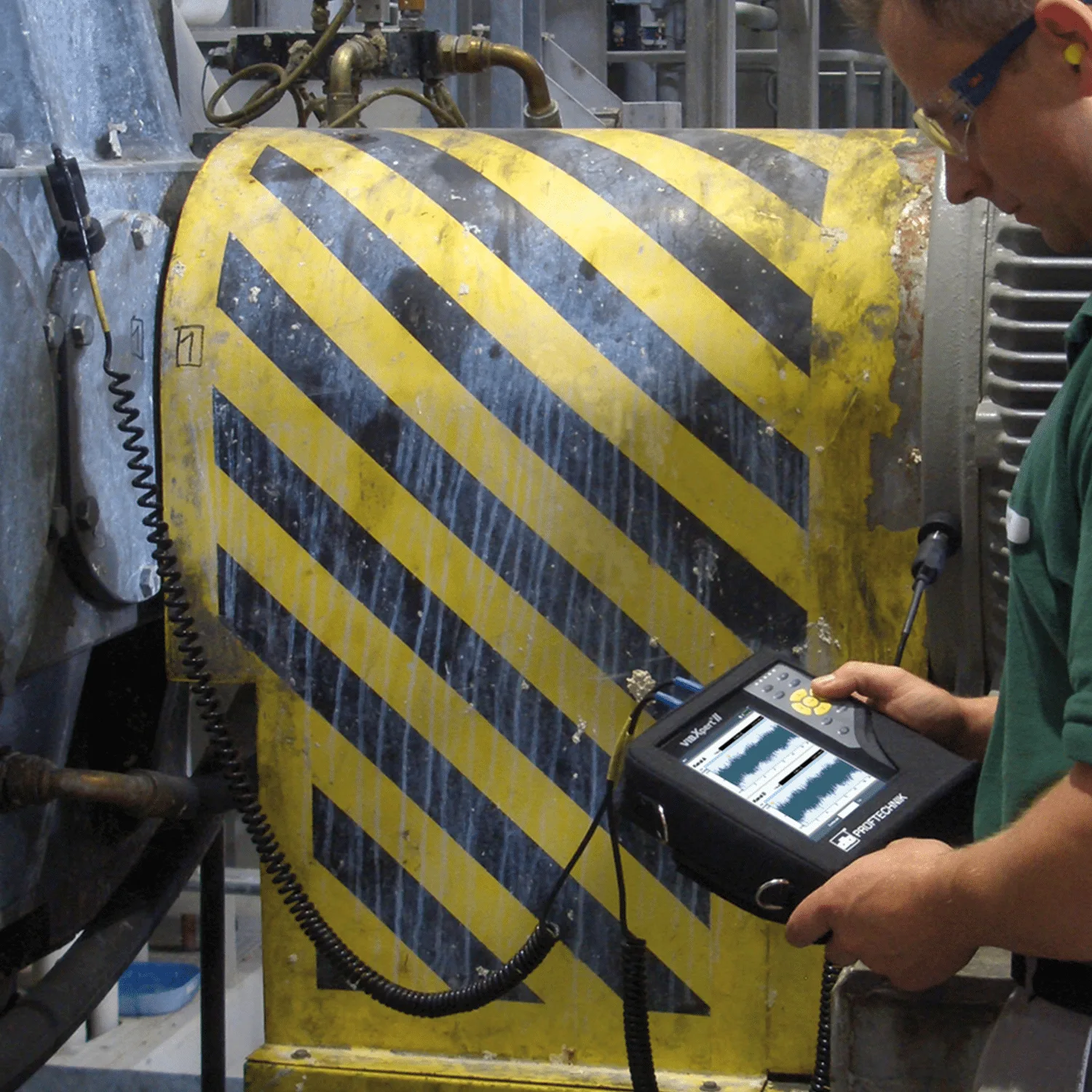
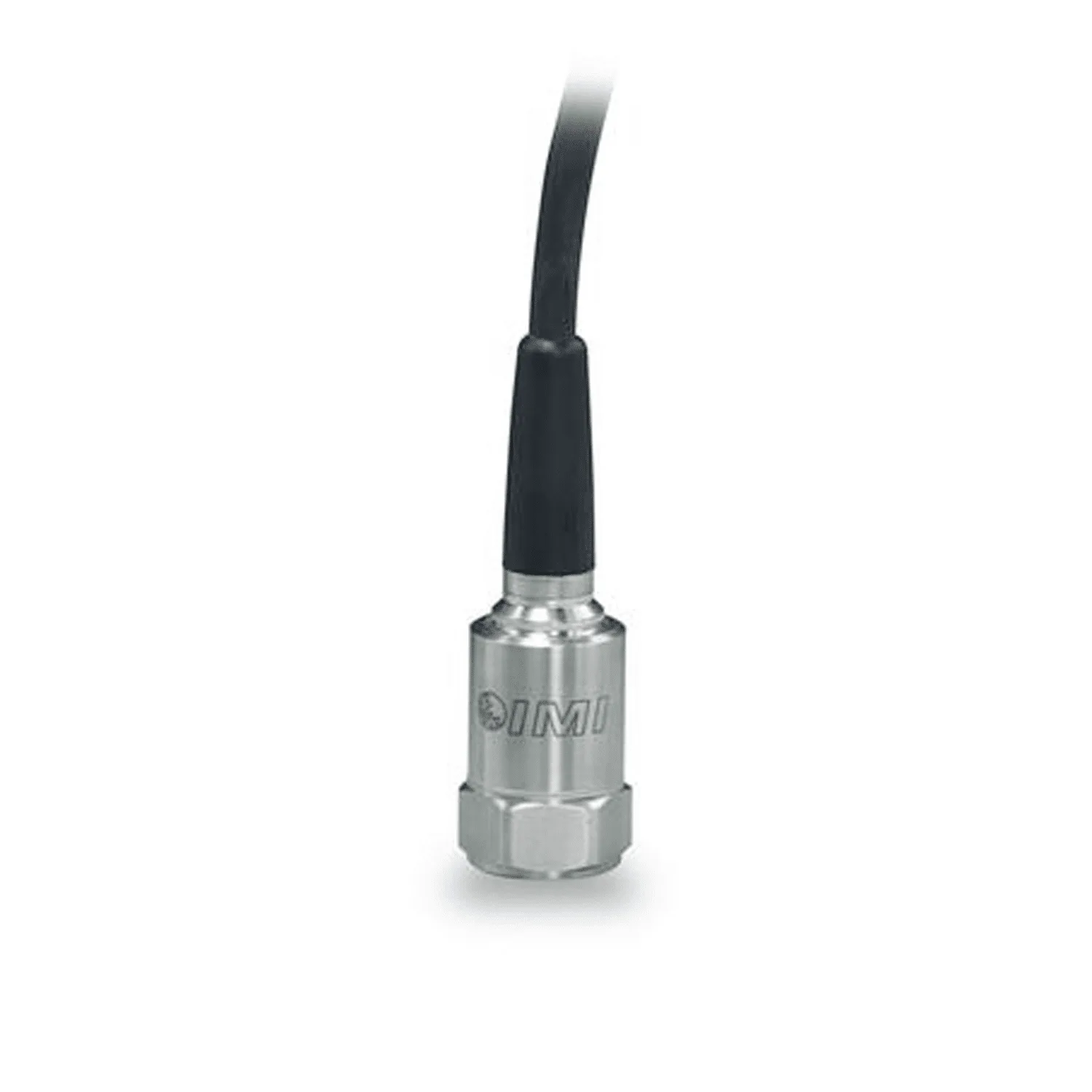
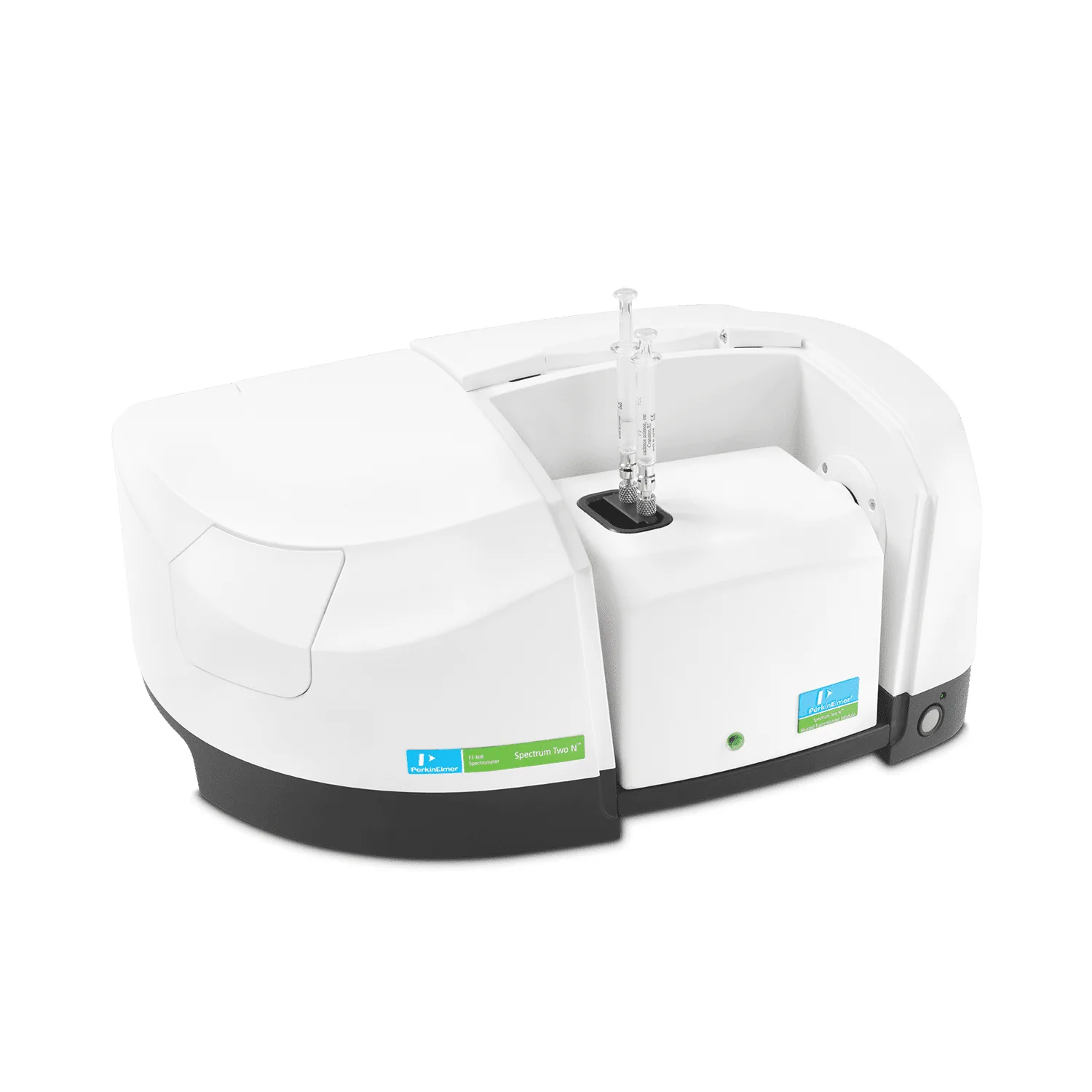
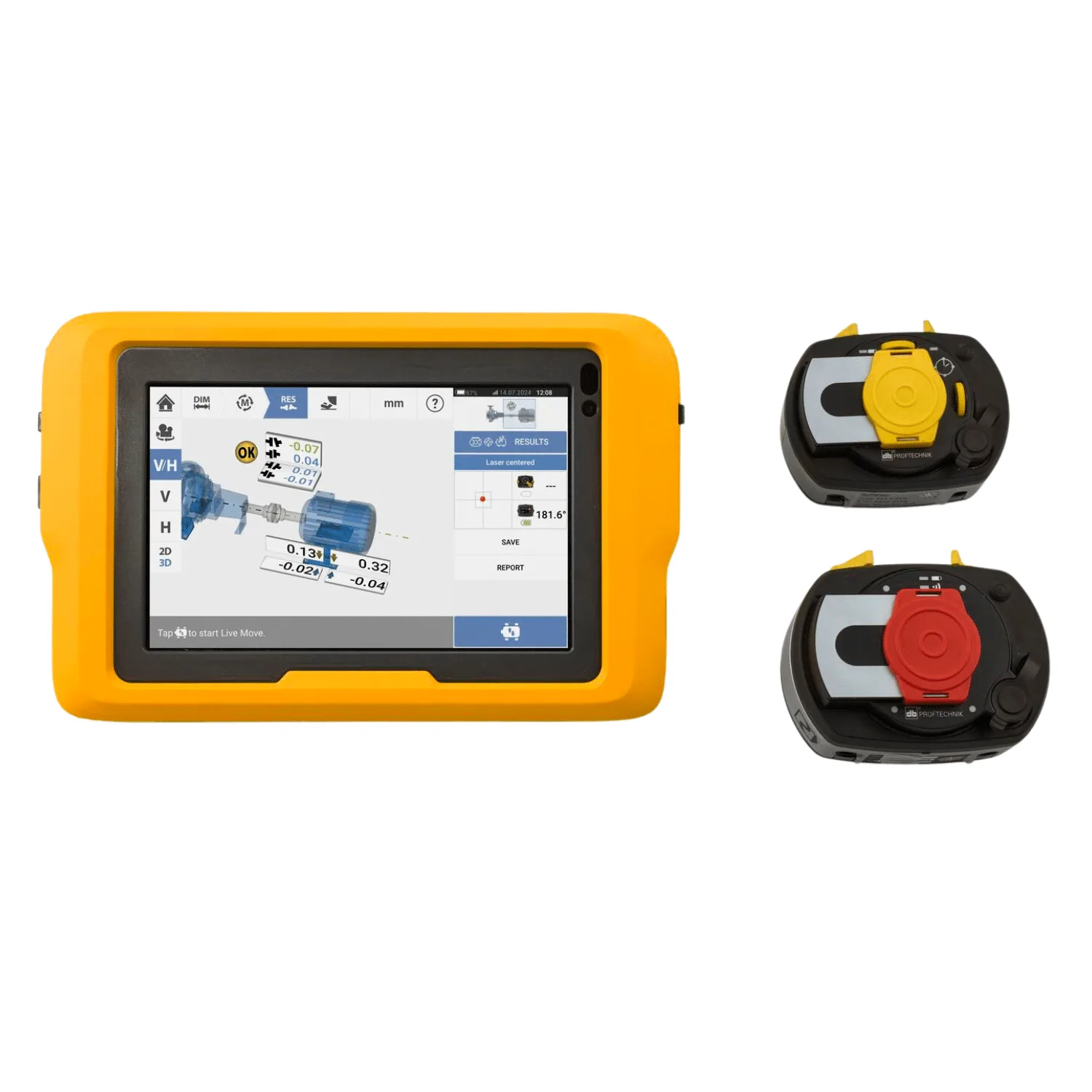
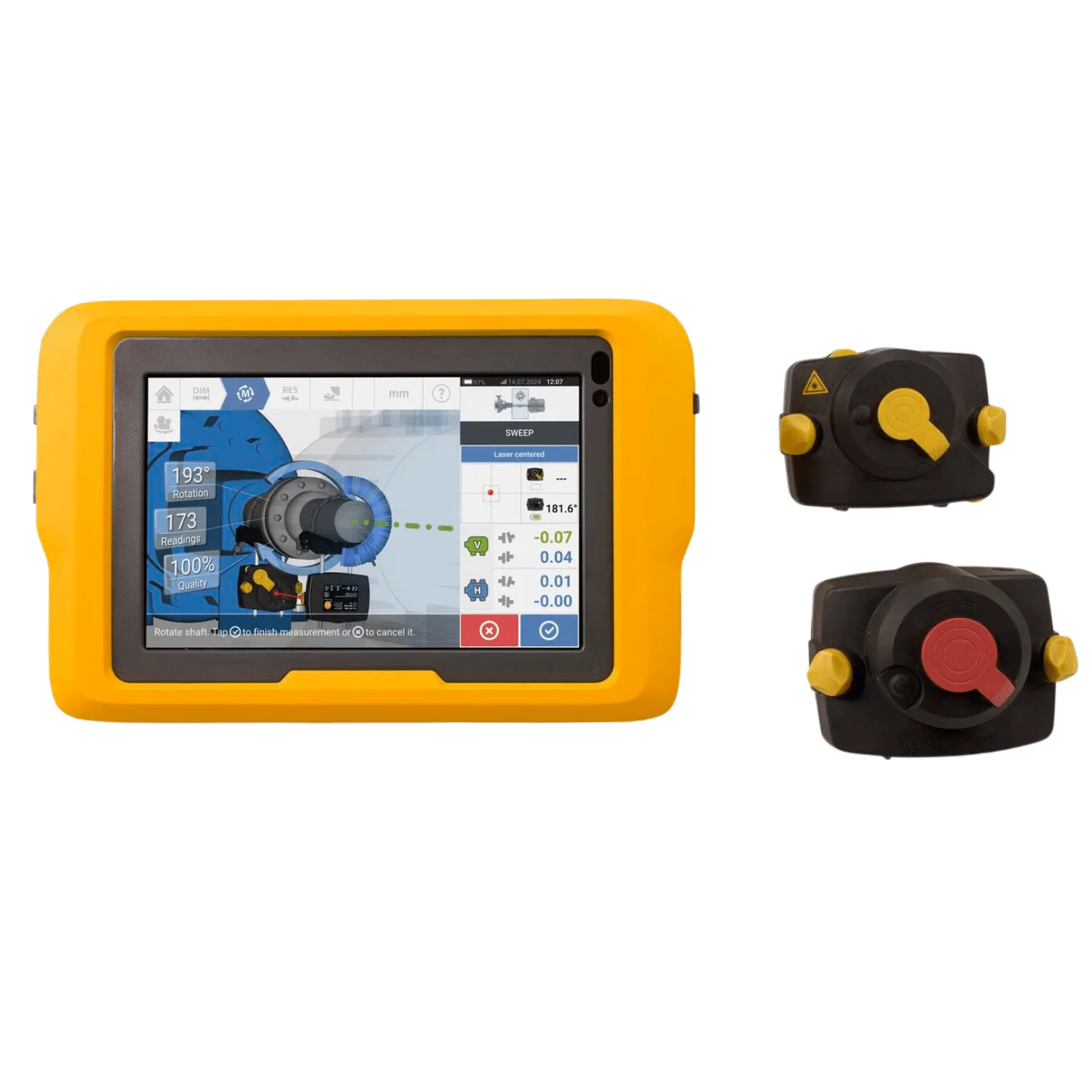
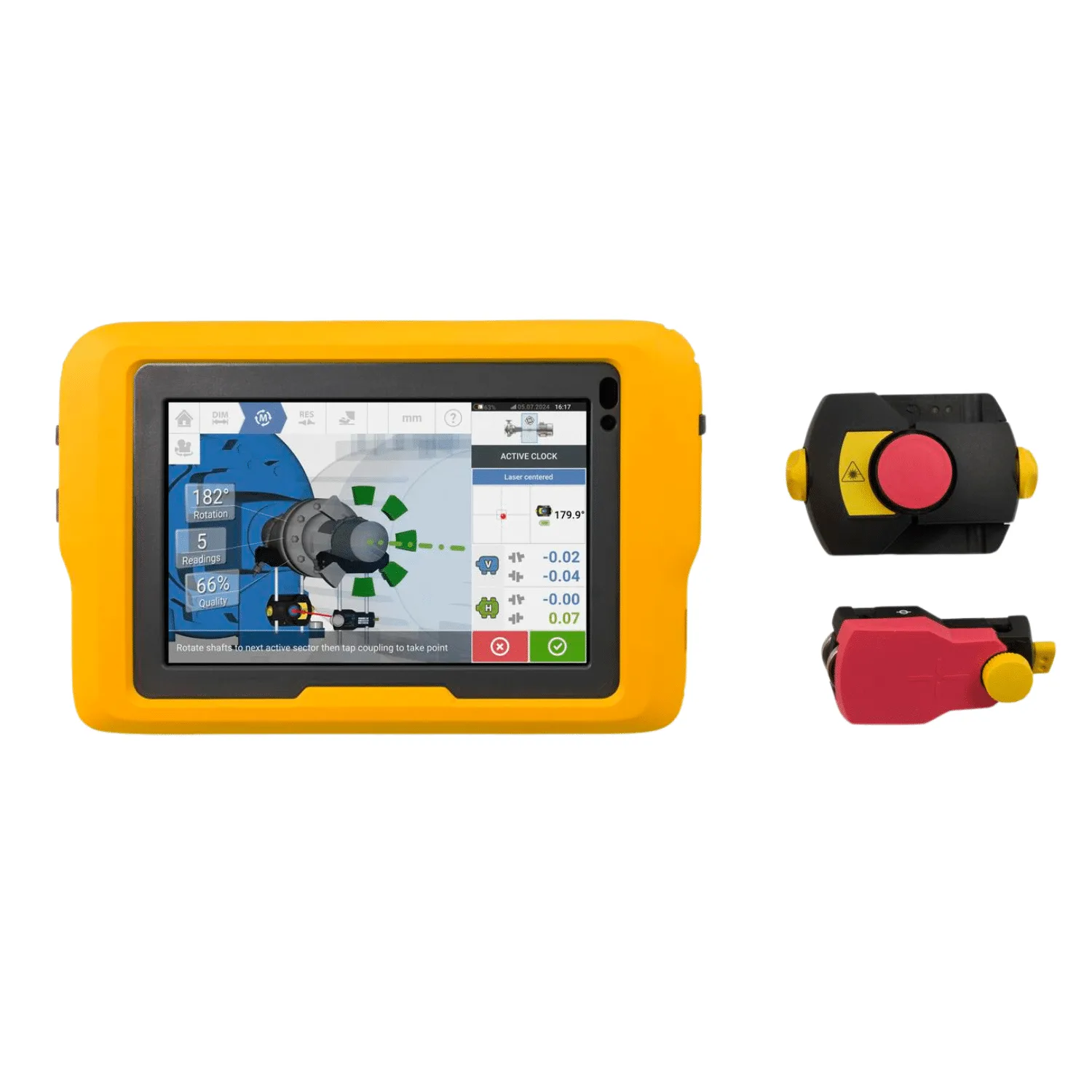
You apply Category I vibration analysis methods on real instruments during the course. After certification, the same instrument families are what you will use on site. Browse Yellotec’s vibration analysis equipment range for the portable analysers and accelerometers used in routine measurement work.
Most Category I graduates start with a single-channel portable analyser plus an accelerometer pair, then expand into online monitoring as their site coverage grows. The ANURA Field Kit is a common first purchase because it bundles analyser and sensors under one part number.
Vibration analysis course prices in South Africa vary by certification level and delivery format. ISO Category I courses typically run for five days in person, with online options at a lower price point. Contact Yellotec for the current Category I and II course fees, plus volume discounts for teams enrolling three or more delegates from the same site.
Vibration analyst certification is a formal qualification confirming you can perform vibration analysis to an ISO 18436-2 standard. Yellotec's courses lead to Mobius Institute certification. Mobius is accredited under ISO/IEC 17024 and recognised by reliability employers globally. Certification at Categories I and II requires the training course plus six months of supervised practical work experience. A passing exam score completes the qualification, which is valid for five years.
Becoming a vibration analyst starts with the Category I training course, where you learn to take measurements and interpret basic spectra. From there, the path runs through Cat II for fault diagnostics and Cat III for analyst-led monitoring programs. Reliability engineers in mining and process industries make up the largest share of Yellotec students. Read our Condition Monitoring careers guide for the full career progression, or browse the full course list on the Yellotec training hub.
Interested in our training courses? Complete the form to enquire or book your spot—our team will get back to you with all the details you need.
I wanted to thank Yellotec for presenting the most interesting course / career development programme that I’ve ever attended since finishing my university studies. Tjaart is a captivating and utmost professional course presenter and one of the most knowledgeable subject matter experts I’ve ever met, in any field. Even though our course was probably very basic if judged by industry professionals, even I as a layman could glimpse aspects of the depth of his knowledge when he answered questions posed by the more experienced students.
"*" indicates required fields