
View Quote 0
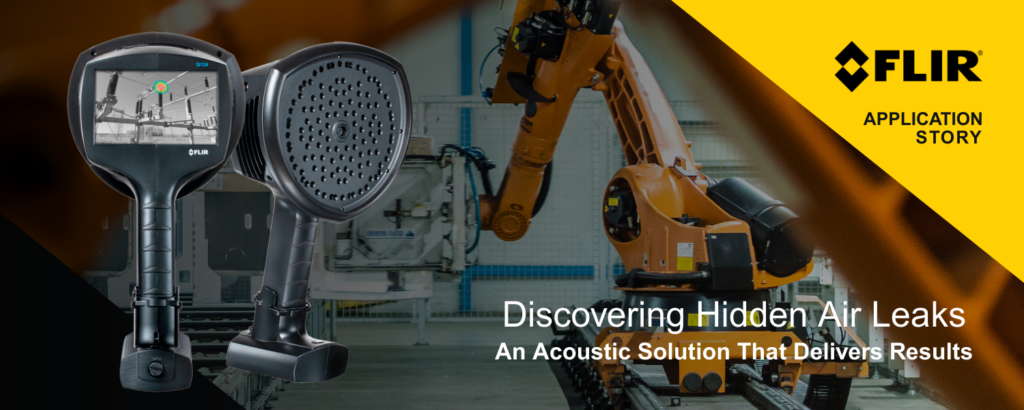
Discovering Hidden Air Leaks with Acoustic Imaging
Articles Case Studies

Discovering Hidden Air Leaks with Acoustic Imaging

Learn how FLIR Acoustic Imaging can improve Automotive Plant Performance

Related Articles

Webinar // Optimising LDAR Strategies: Reducing Emissions, Enhancing Compliance
Get Ready for the Upcoming LDAR Survey Deadline With the first LDAR survey deadline fast...
Webinar Events
Navigating New Regulations in Oil & Gas: Your Path to Compliance Webinar
Stay ahead of new industry regulations with key deadlines, targets, and actionable steps for compliance.
Webinar

Related Articles

Imagine seeing Structural Movements & Vibrations
The patented technology used by RDI enables the measurement of deflection, displacement, movement, and vibration,...
Articles
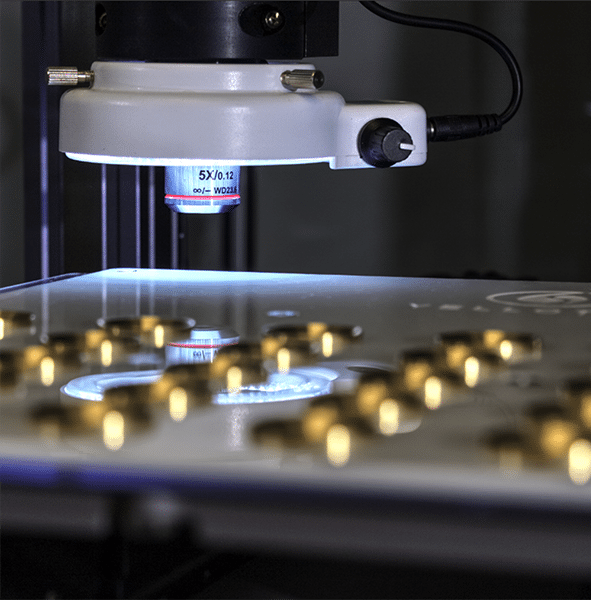
Presenting the Automated Microscopic Particle Counter from Yellotec
Yellotec is proud to present their in-house designed and constructed Automated Microscopic Particle Counter (AMPC)...
Articles
Top of Blog Banner

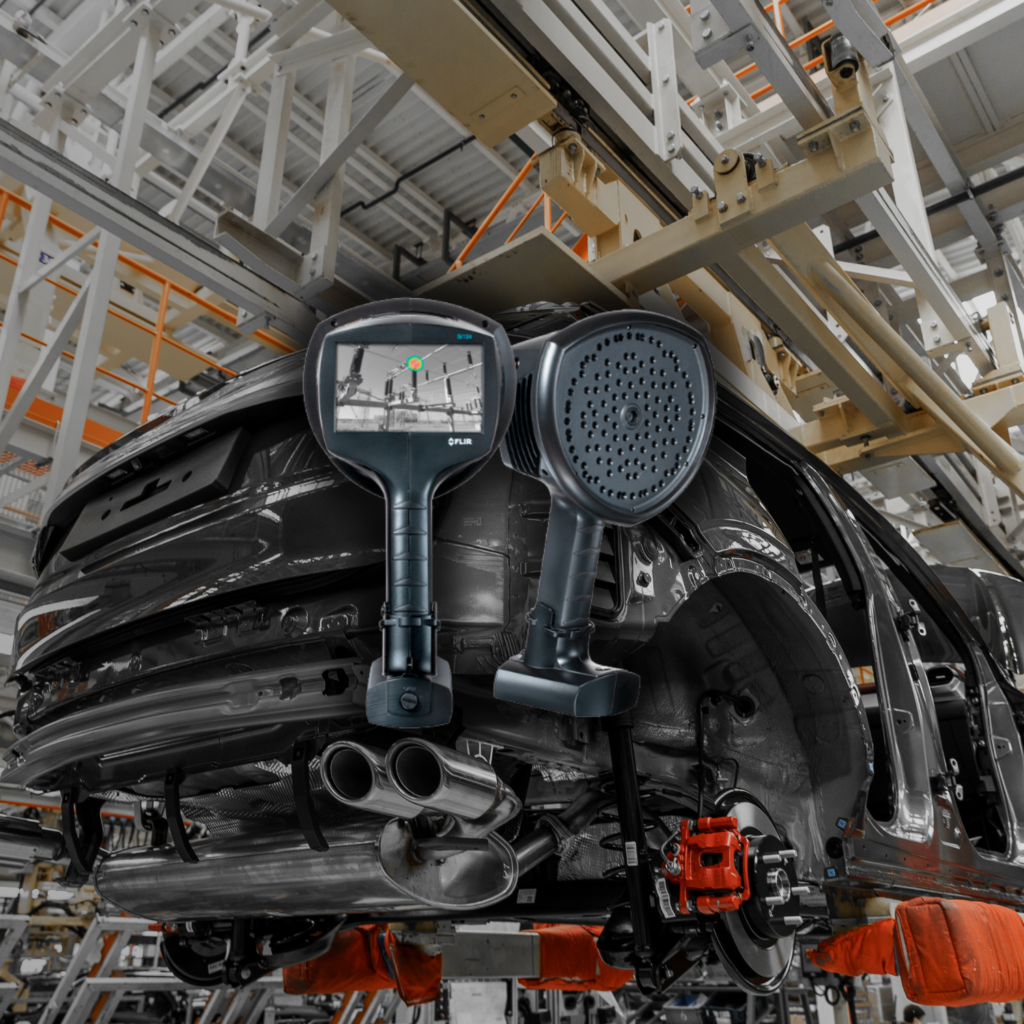
Explore the FLIR Application Story showing how acoustic imaging helps manufacturers uncover hidden compressed-air losses and improve plant performance.
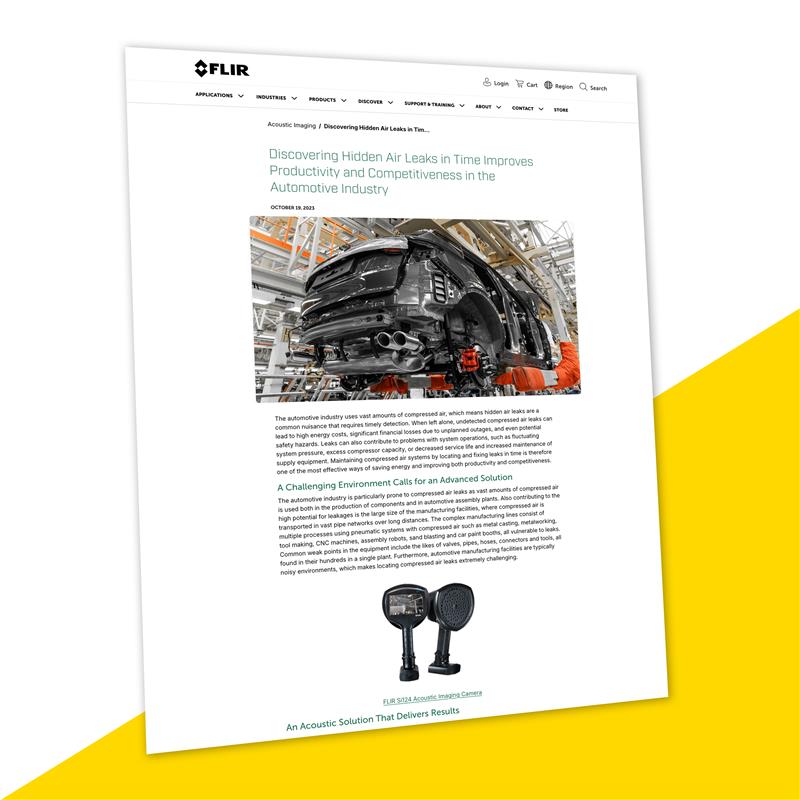
Acoustic Imaging in Automotive Industry Article

In this FLIR application story, you’ll see how acoustic imaging technology helps manufacturers uncover hidden compressed-air losses and improve overall plant performance. For the full story and deeper insights, click the link to read the complete article on compressed-air leaks in automotive manufacturing.

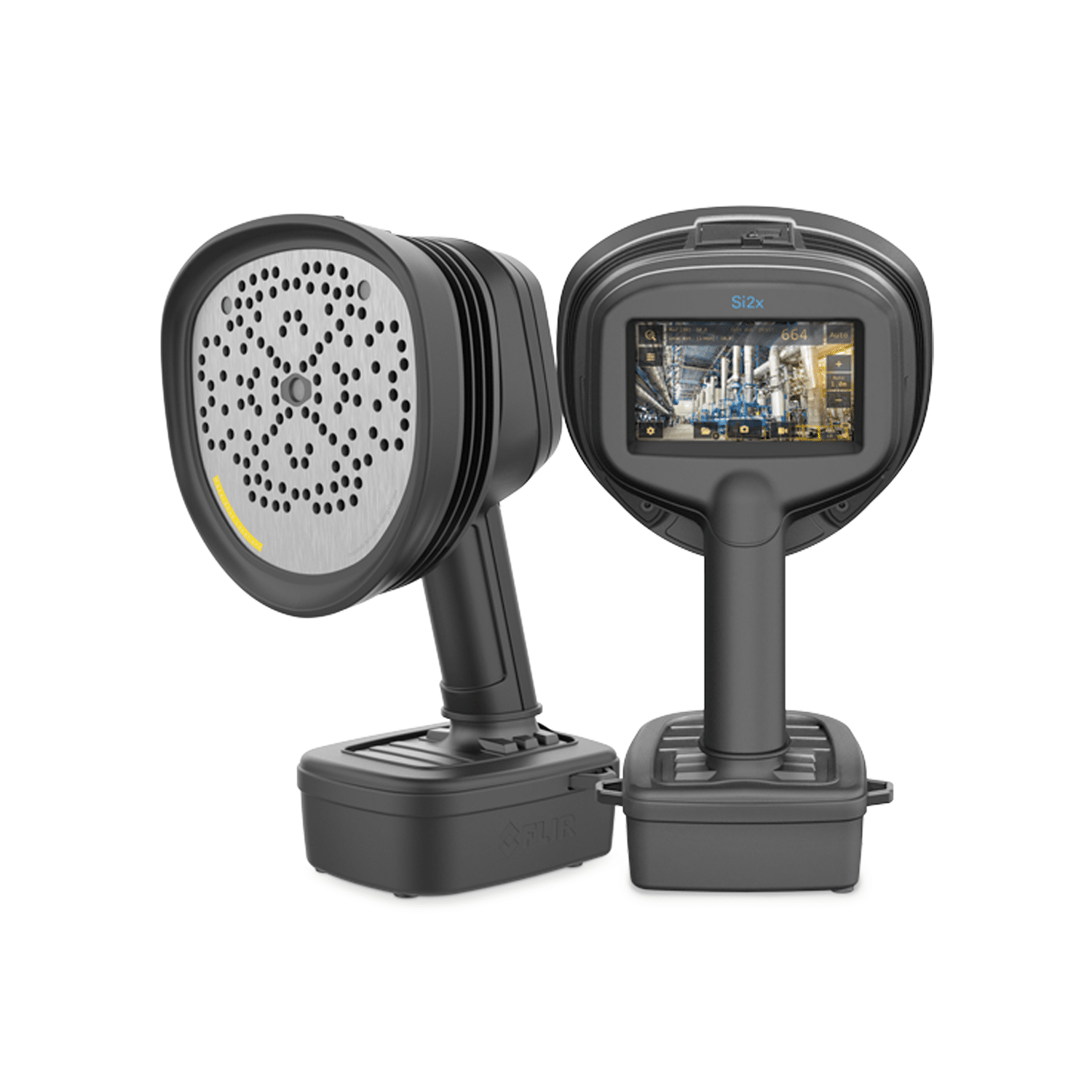
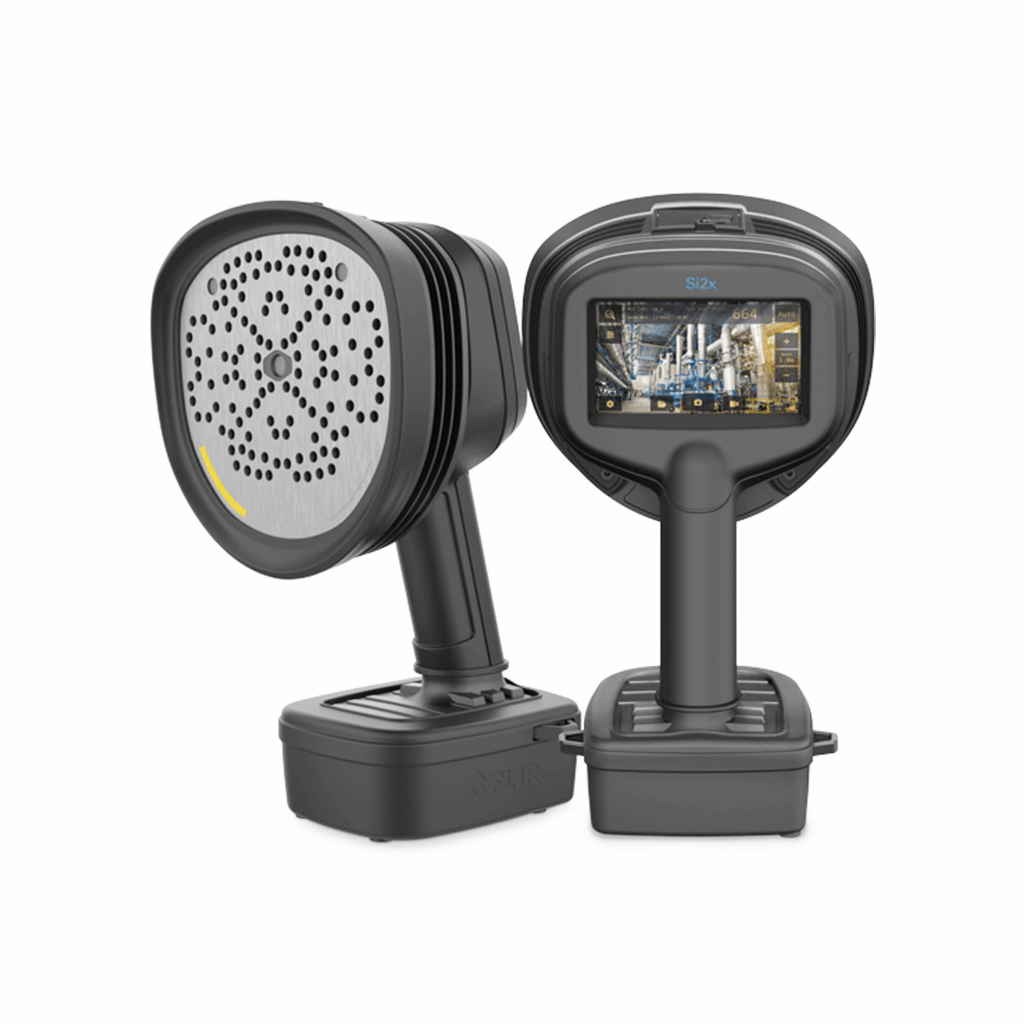
Modern acoustic imaging tools like the FLIR Si-Series are changing how manufacturers detect leaks. They help teams quickly spot issues and plan repairs more effectively, without disrupting production.

Article Highlights:

  • Automotive plants use large amounts of compressed air, making hidden leaks common.
  • Undetected leaks raise energy costs, reduce efficiency, and strain compressors.
  • Noise and complex pneumatic systems make traditional leak detection difficult.
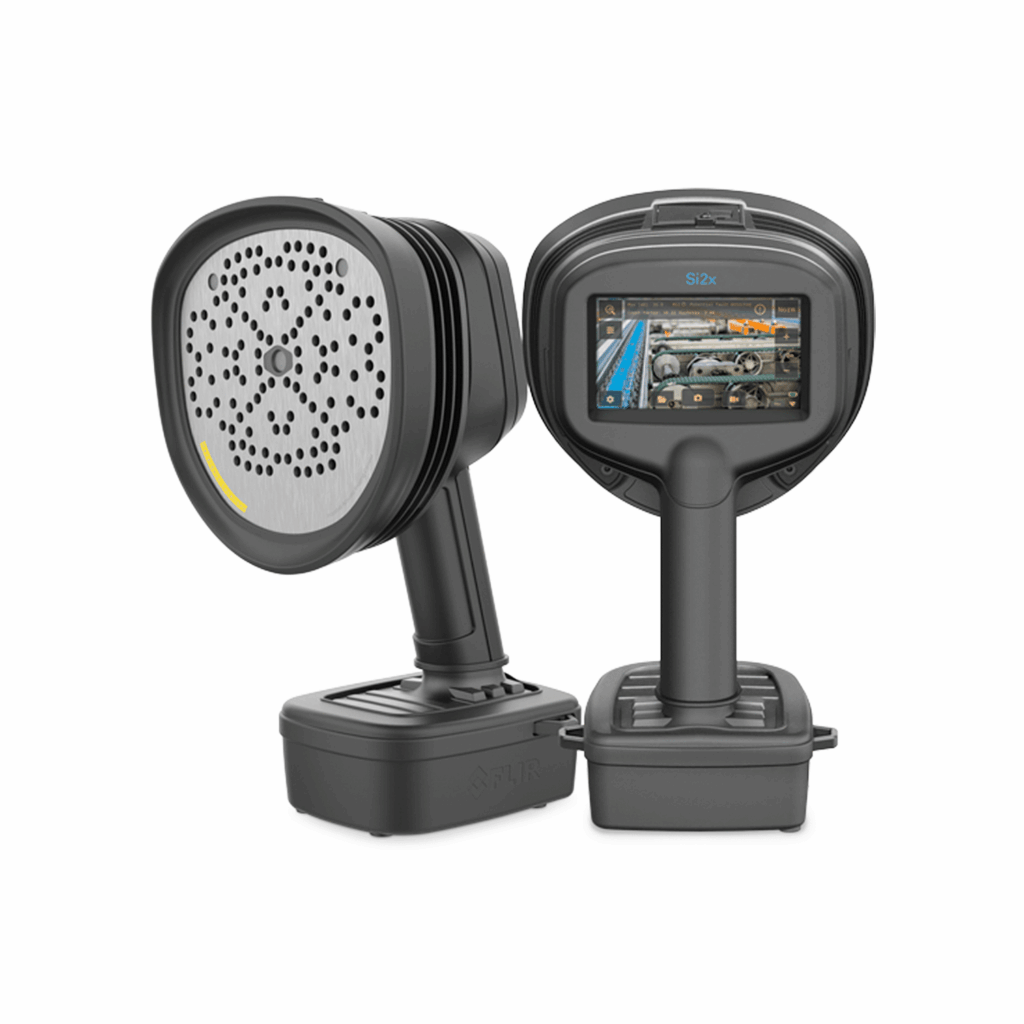
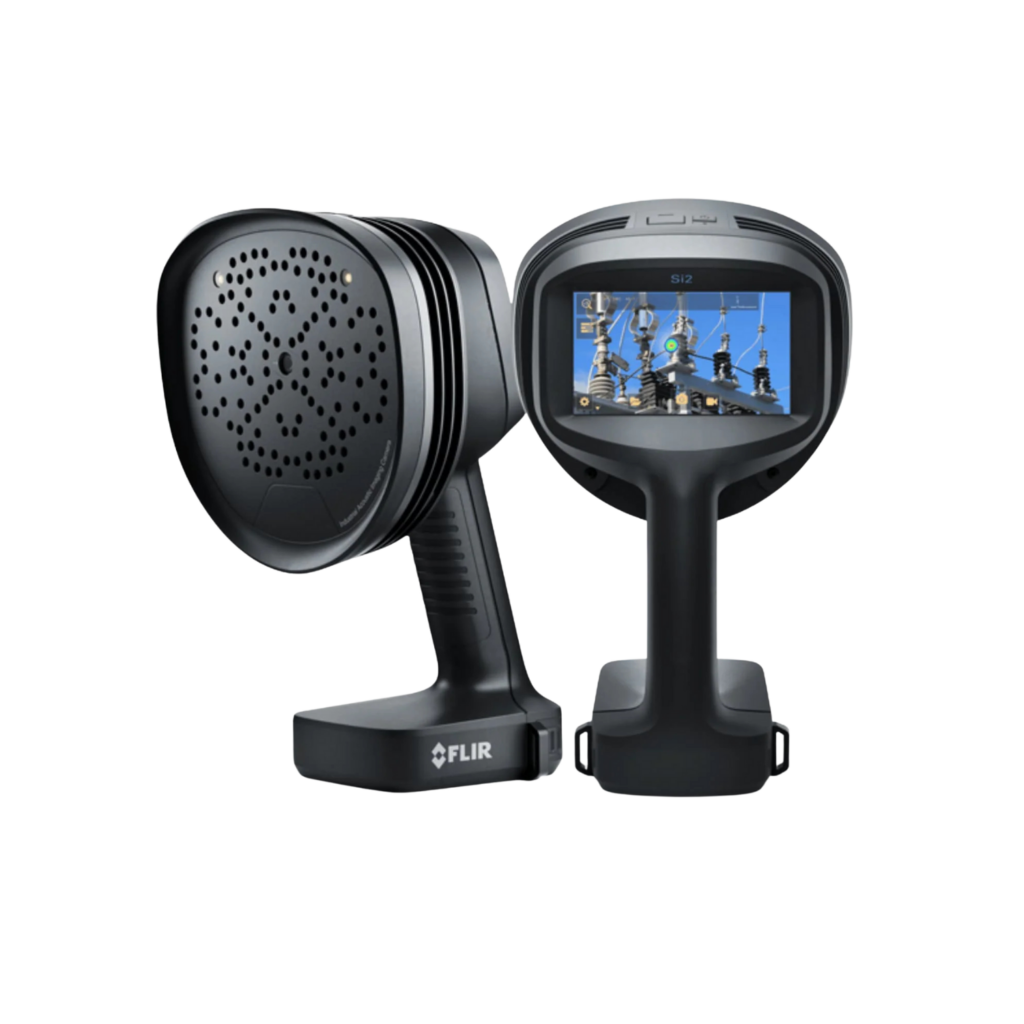
  • Acoustic imaging cameras, like the FLIR Si124-LD Plus, quickly locate even tiny leaks.
  • They work during normal operations and require minimal training.
  • Built-in analytics estimate leak size, energy loss, and cost impact.
  • Early leak detection saves energy, reduces emissions, and boosts productivity.

Key Takeaway:

Proactively using acoustic imaging, for example with the FLIR Si-Series of cameras — to find and fix hidden compressed-air leaks in automotive plants helps companies avoid waste, cut energy and maintenance costs, ensure reliable production pressure, and improve productivity and competitiveness.

View our Acoustic Imaging Range:
Related Articles

Why Yellotec’s Calibration Services Are Critical for Reliable Condition Monitoring
In today’s data-driven maintenance environment, the accuracy of your measurement equipment directly impacts your ability...
Articles
Improving Gearbox Test Consistency with Atten[2] OilWear Sensor
Reliable gearbox validation with accurate oil cleanliness monitoring in bubbly conditions. This case study shows...
Case Studies Articles
Electrical Signature Analysis for Pump Performance
A power plant uses electrical signature analysis for performance assessment. Article Highlights: Key Takeaway: Electrical...
Case Studies Articles
Ball Mill Monitoring Case Study: Avoiding R14.4M in Downtime with Infrared Technology
How Infrared Monitoring Helped Avoid a Costly Ball Mill Failure In the mining industry, maintaining...
Case Studies Articles

Featured Links

Currently no products have been added to your quote.
FLIR A40_IRT
FLIR A40 Smart Sensor Camera
Discountined Products FEATURE IMAGE
FLIR A310 (Discontinued)
Discountined Products FEATURE IMAGE
FLIR A315 (Discontinued)
Vibrex
VIBREX
Spectro 2 card
Spectrum Two FTIR
FLIR G609 image
FLIR G609
FLIR K1
New
FLIR K1
Privacy Overview
Yellotec logo in black

This website uses cookies so that we can provide you with the best user experience possible. Cookie information is stored in your browser and performs functions such as recognising you when you return to our website and helping our team to understand which sections of the website you find most interesting and useful.

Strictly Necessary Cookies

Strictly Necessary Cookie should be enabled at all times so that we can save your preferences for cookie settings.