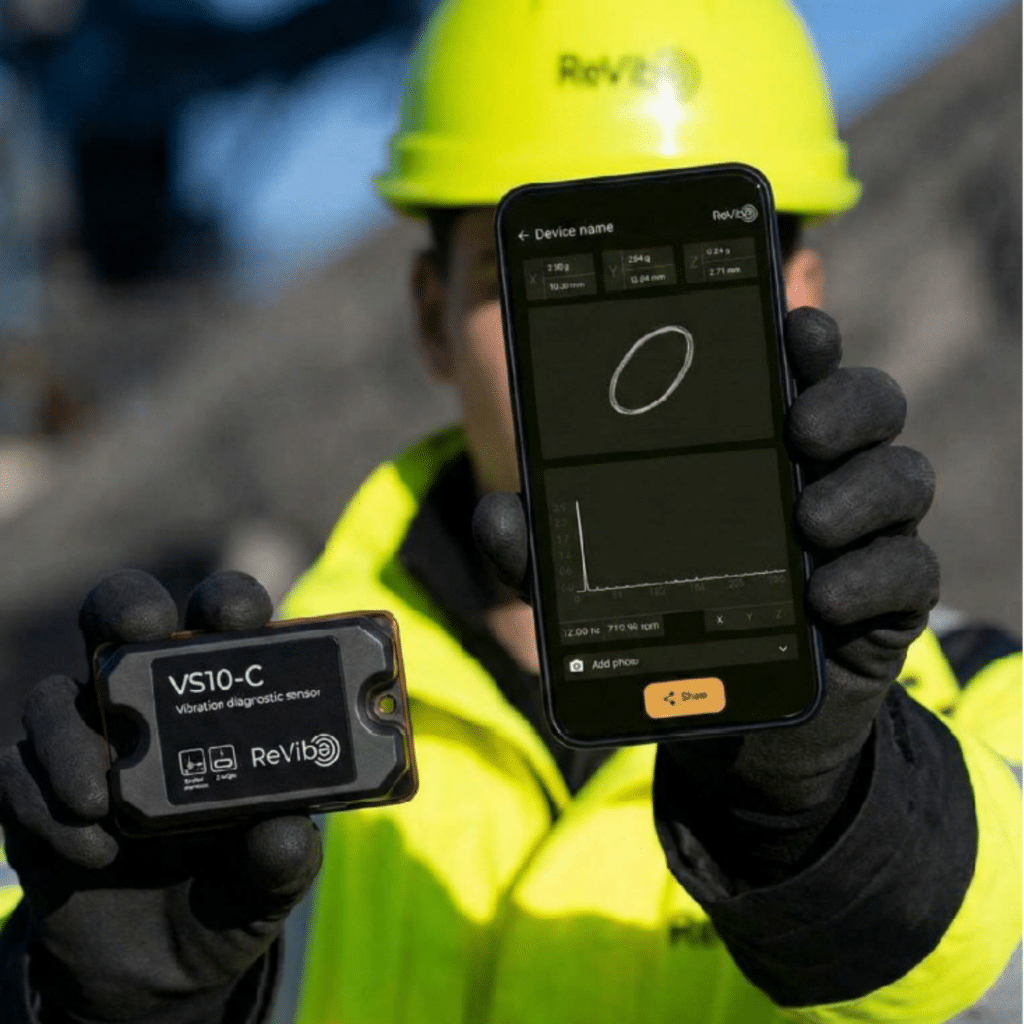


In this case study, a 15 kW motor at a paper mill showed high vibration, initially suggesting unbalance. Further investigation revealed rapid speed changes, indicating broken rotor bars.
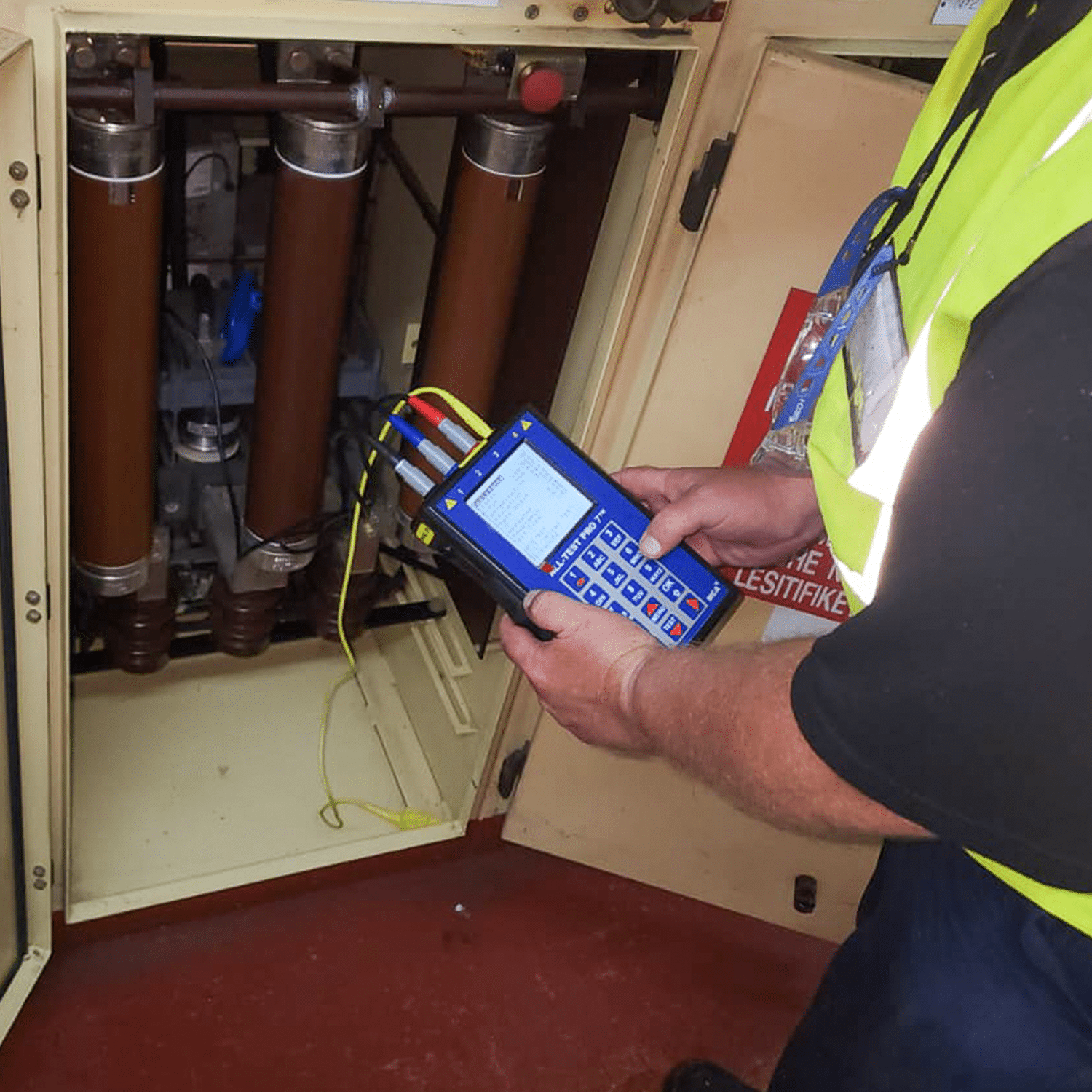
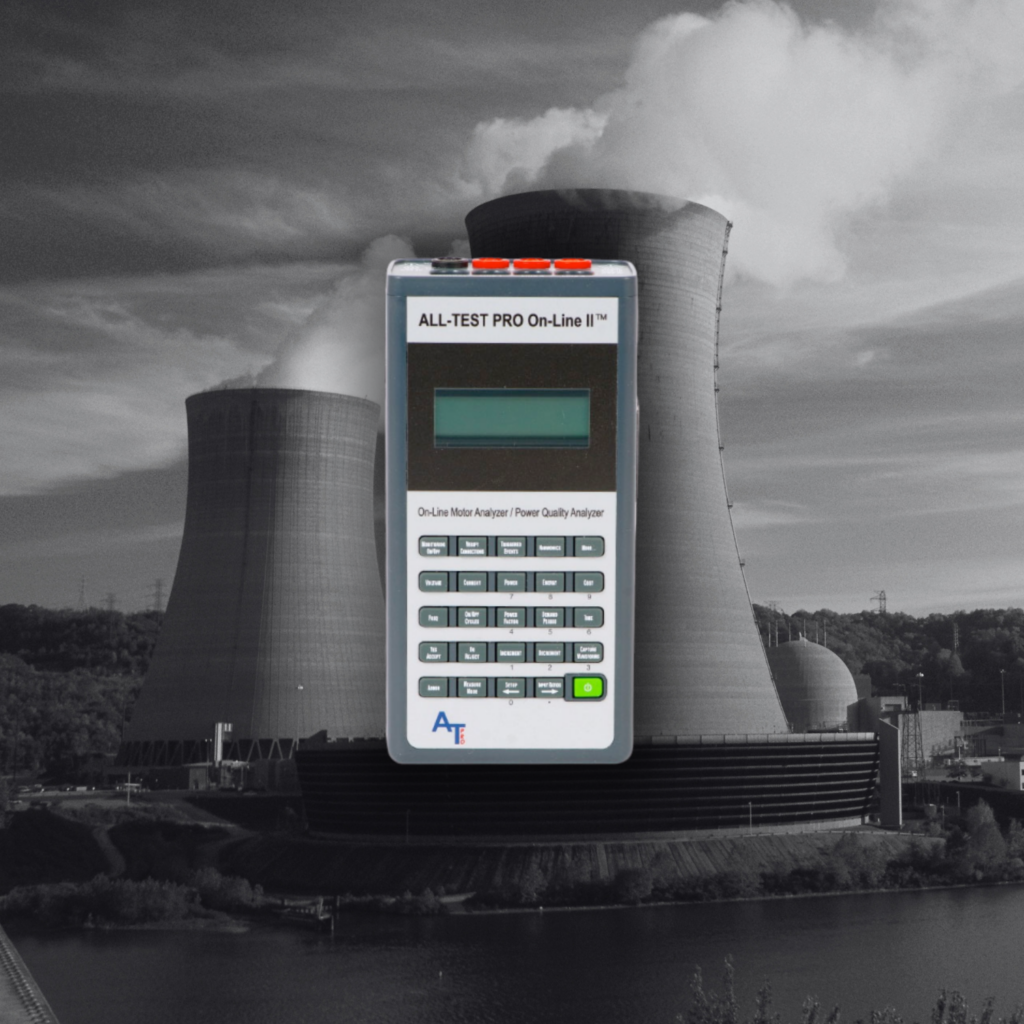
Electrical Signature Analysis (ESA) confirmed the fault, leading to the motor being replaced. After replacement, vibration dropped from 11 mm/sec to 0.35 mm/sec, improving reliability and safety.
Article Highlights:
- Multi-technology approach to motor condition monitoring
- Vibration analysis initially suggested motor unbalance
- Further testing identified broken rotor bars
- Electrical Signature Analysis (ESA) confirmed the motor fault
- Motor replacement reduced vibration from 11 mm/sec to 0.35 mm/sec
- Improved motor performance helped maintain consistent airflow and workplace safety
- Highlights the importance of combining vibration analysis and ESA for accurate motor diagnostics
Key Takeaway:
Vibration analysis is valuable but may not identify every motor fault clearly. Combining Vibration Analysis + Electrical Signature Analysis provides a more complete picture of motor health and can help prevent unexpected failures and unsafe operating conditions.